What's an AI Product Manager?
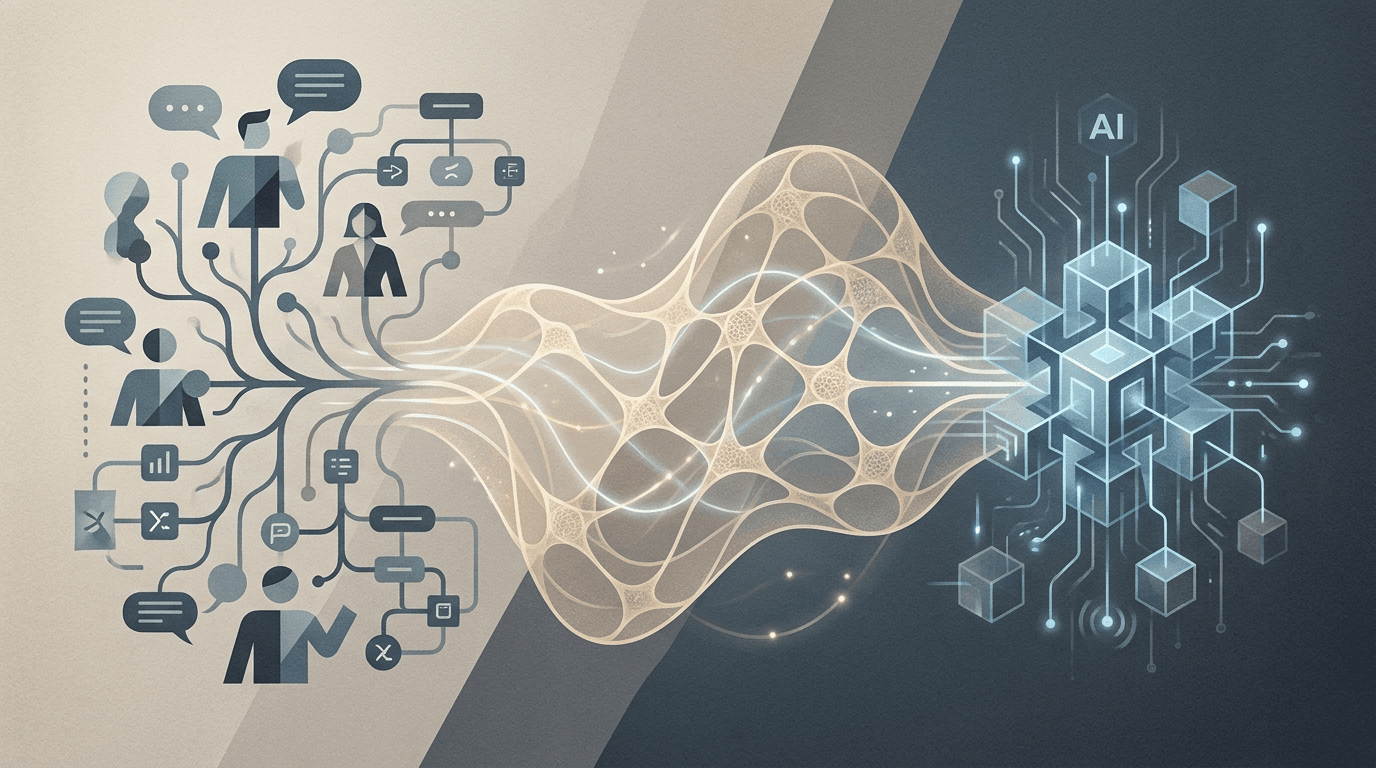
Language has always been the linchpin of human progress. From the invention of cuneiform to the printing press, breakthroughs in communication have driven societal evolution. Today, with the rise of LLMs and generative AI, we're standing at the brink of another transformative era. This time, it's not just about how we communicate, but how we organize, innovate, and propel our economy forward. The role of product managers is under scrutiny, and for good reason.
The Evolution of Product Management
Traditionally, product managers have been the vital bridge between business needs and technical execution. They were the translators, the negotiators, the ones who turned market insights into actionable product features. But let's face it, this role has always been a bit of a juggling act. At their best, product managers are mini-CEOs, steering the ship with a keen eye on both the horizon and the deck. At their worst, they become mired in politics, trying to please everyone while losing sight of the product's core mission.
The Impact of LLMs
Enter LLMs. These AI systems can sift through mountains of data, discern patterns, and generate insights faster than any human could. They can translate business needs into technical specifications with remarkable accuracy, effectively reducing the communication gap that product managers have traditionally filled. But does this mean we no longer need product managers? Not quite. It means their role is evolving.
Cross-Functional Pods: The Future Organizational Model
Imagine an organization structured around cross-functional pods rather than traditional hierarchies. Each pod is a microcosm of expertise: an AI engineer focused on refining algorithms, a researcher diving deep into market trends, a product person ensuring the alignment of AI insights with business goals, a salesperson bringing in real-time customer feedback, and a customer advocate making sure user experience remains front and center.
In this setup, problems are not handed down in memos; they are tackled collaboratively. The AI doesn't just churn out data; it works with human insight to drive decisions. Feedback loops are continuous, allowing for rapid iteration and real-time adjustment. Priorities shift dynamically based on AI-driven analytics, keeping the organization agile and responsive.
The New Role of Product Leaders
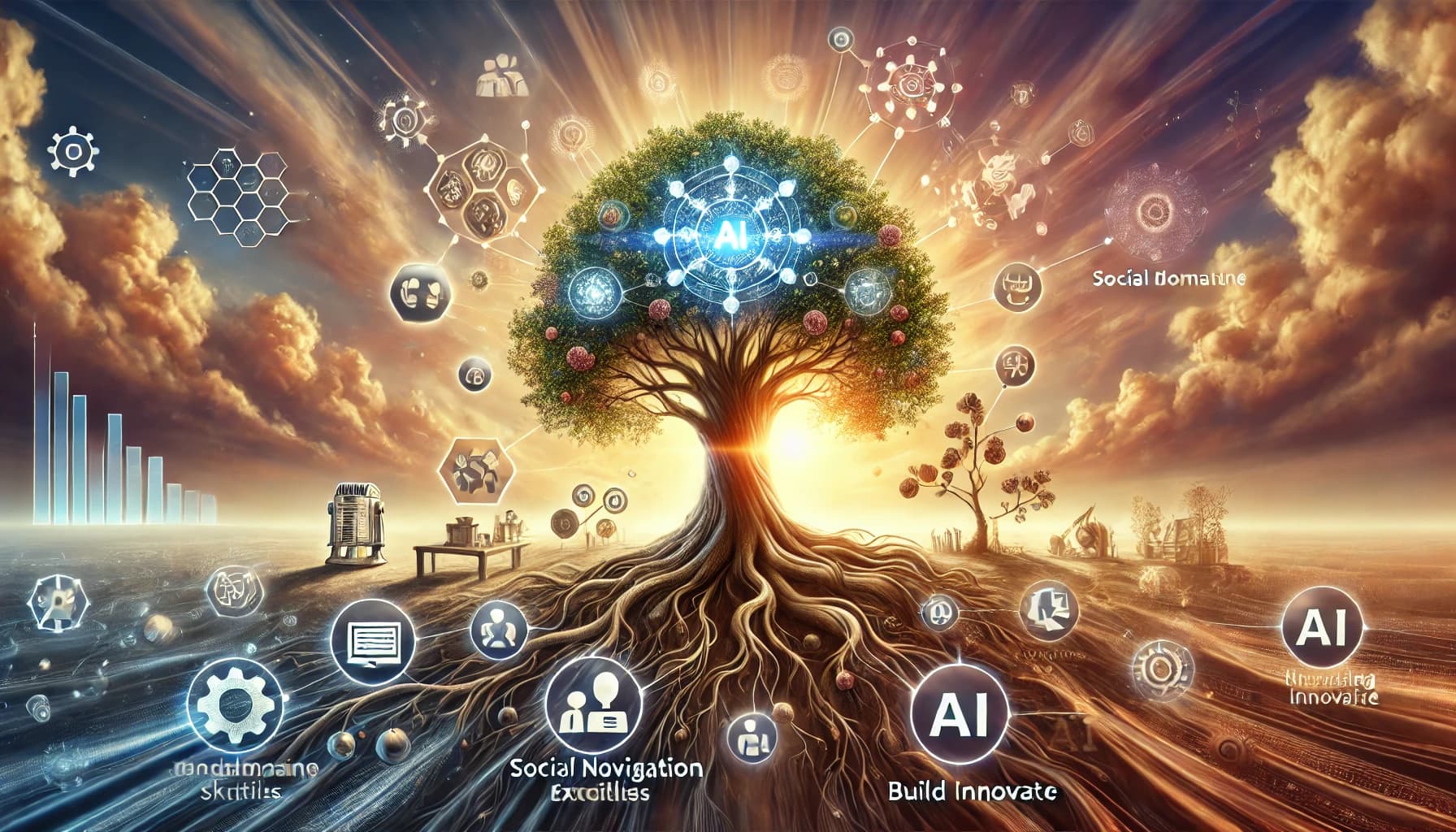
In this new landscape, you either need a ton of domain expertise, a ton of social navigation skills, proficiency in navigating prompts, or the ability to hustle and build. Product leaders must elevate and truly become like mini-CEOs of their product or functionality. They are no longer just managing projects but are driving the vision, ensuring ethical considerations, and integrating AI insights into a cohesive strategy. Those who can't adapt will find themselves becoming irrelevant or relegated to purely tactical roles.
Balancing Human and AI Strengths
The balance between human and AI strengths becomes crucial. While AI can handle tasks like prioritizing features based on data, humans provide the ethical oversight, creativity, and complex problem-solving that AI lacks. It's a symbiotic relationship where each plays to their strengths.
Embracing the Future
So, what does this mean for the future? We're looking at a landscape where organizations are more fluid, where roles are defined not by rigid job descriptions but by the needs of the project at hand. The next economy will be driven by this blend of AI efficiency and human ingenuity, with cross-functional pods leading the charge. It's a shift towards a more agile, innovative, and ultimately, more human-centric way of working.
In this new world, the role of the product manager isn't diminished; it's transformed. They become the orchestrators of innovation, the ones who ensure that amidst all the data and technology, the human element remains at the core. This is the future of organizational structure, where AI and human collaboration drive us forward into the next economy.
Get insights like this delivered
Join leaders navigating AI governance and agentic systems.