The GenAI Cycle of Virtue
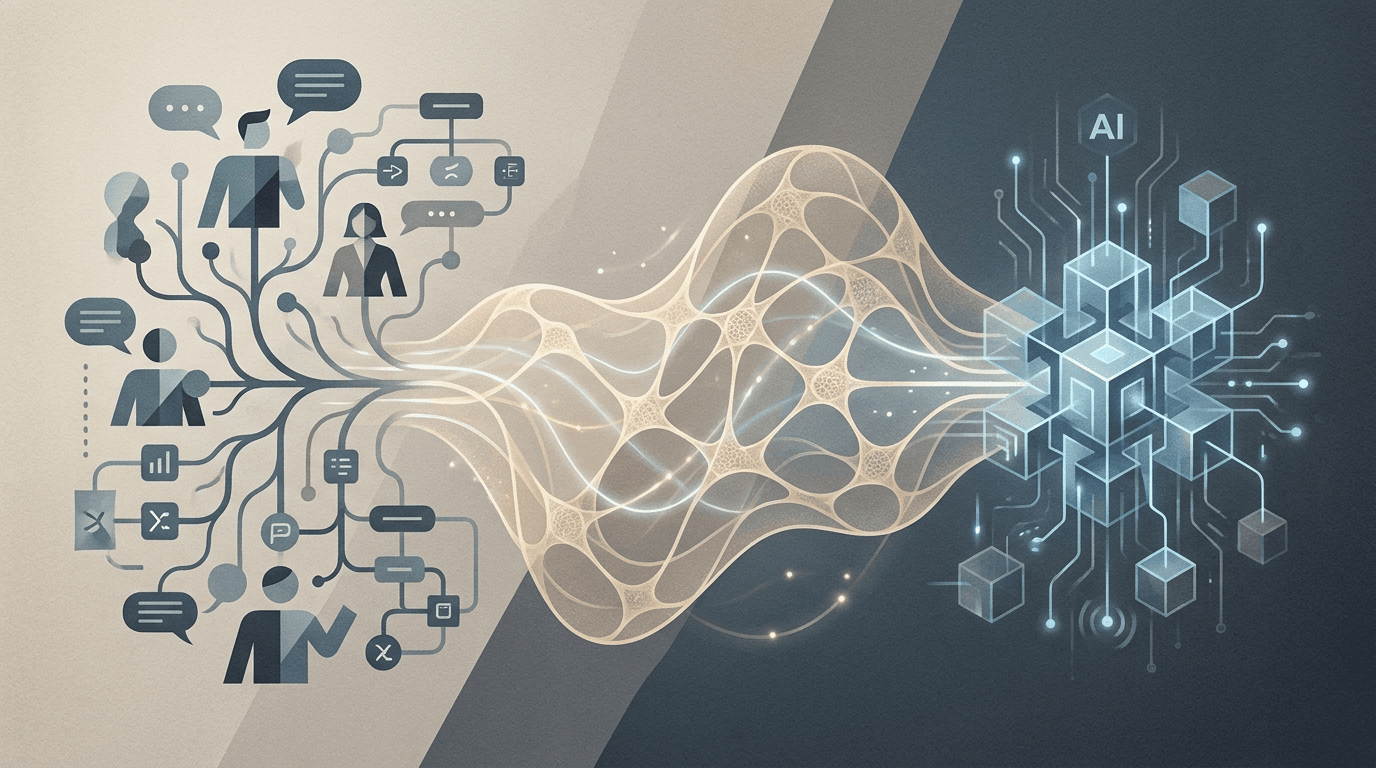
Language has always been a driving force behind human civilization's progress. From the invention of cuneiform to the printing press, advancements in communication have transformed societies. Today, the rise of Language Model Models (LLMs) and the concept of a virtuous cycle in generative AI are poised to revolutionize our organizational systems, ultimately guiding us toward the next economy. This article delves into how this virtuous cycle will reshape our organizational structures and propel us into a new economic era.
Historical Context: The Role of Language in Organizational Systems
Cuneiform and Early Bureaucracies
The development of written language, such as cuneiform by the Sumerians, laid the groundwork for early bureaucracies. These systems enabled efficient record-keeping, coordination, and communication, allowing for the management of complex societal tasks.
The Printing Press and Modern Corporations
The invention of the printing press democratized knowledge, fostering the growth of modern corporations. Clear language, standardized procedures, and hierarchical structures became essential for efficient communication and coordination within these organizations.
The Virtuous Cycle of Generative AI
With the advent of LLMs and the concept of a virtuous cycle, we are witnessing a paradigm shift in organizational systems. This virtuous cycle enhances the overall value of AI systems, leading to continuous improvement and innovation. Here's how this cycle can drive us toward the next economy:
Data Collection and Preparation
The cycle begins with the collection and preparation of high-quality, diverse datasets. Advanced data augmentation and cleaning processes ensure robust inputs for training AI models. This foundational step enables the creation of more accurate and relevant models.
Model Training and Fine-Tuning
Using cutting-edge algorithms and architectures, AI models are trained and continuously fine-tuned with real-world data. This process ensures models remain effective and adaptable, capable of generating human-like text that can streamline communication and decision-making within organizations.
Deployment and Integration
Seamless integration of AI models into various applications and platforms is crucial. Real-time feedback mechanisms allow for adaptive learning and adjustments, ensuring AI systems evolve with changing organizational needs. This adaptability enhances operational efficiency and responsiveness.
User Interaction and Feedback
As employees interact with AI models, valuable feedback is generated. This feedback is systematically analyzed to identify areas for improvement, driving further iterations in the cycle. This continuous loop of interaction and refinement fosters a culture of innovation and agility within organizations.
Performance Monitoring and Evaluation
Continuous monitoring of AI performance across various metrics ensures sustained excellence. Regular evaluations against benchmarks help maintain high standards and identify opportunities for refinement. This proactive approach to performance management supports long-term organizational success.
Innovation and Research
Insights gained from performance monitoring and user feedback fuel further research and development. Innovative techniques and approaches are developed to address emerging challenges, propelling the virtuous cycle forward and ensuring organizations stay at the forefront of technological advancements.
Implications for Organizational Transformation
Enhancing Efficiency and Productivity
Generative AI can automate routine tasks and manage vast amounts of information, significantly enhancing organizational efficiency and productivity. This allows employees to focus on higher-value activities, driving innovation and strategic growth.
Facilitating Decision-Making
AI-driven insights can support more informed and timely decision-making. By analyzing large datasets and identifying patterns, AI models provide valuable recommendations, helping organizations navigate complex challenges and seize new opportunities.
Fostering Collaboration and Coordination
Generative AI facilitates better communication and collaboration across organizational silos. AI-generated insights and recommendations can bridge gaps between departments, enhancing coordination and fostering a more integrated approach to achieving organizational goals.
Enabling Agile and Adaptive Organizations
The virtuous cycle of generative AI promotes agility and adaptability within organizations. Continuous feedback and refinement enable organizations to respond swiftly to changing market conditions and customer needs, ensuring sustained competitiveness in a dynamic economic landscape.
Driving Innovation and Value Creation
By leveraging generative AI, organizations can unlock new avenues for innovation and value creation. AI-driven solutions can streamline processes, optimize resource allocation, and enhance customer experiences, contributing to long-term growth and success.
Preparing for the Next Economy
As we transition to the next economy, organizations must embrace the virtuous cycle of generative AI to stay competitive and relevant. This involves:
- Investing in AI Infrastructure -- Building the necessary infrastructure to support AI integration and ensure seamless operation across organizational systems.
- Cultivating a Culture of Innovation -- Encouraging a mindset that embraces continuous learning, experimentation, and adaptation to drive ongoing improvement and innovation.
- Focusing on Ethical AI -- Ensuring AI systems are developed and deployed ethically, with a commitment to transparency, fairness, and accountability.
- Prioritizing Human-AI Collaboration -- Striking a balance between leveraging AI capabilities and preserving the human elements of creativity, empathy, and critical thinking.
Embracing the Future
The virtuous cycle of generative AI represents a transformative force that can reshape organizational systems and drive us toward the next economy. By harnessing the power of AI to enhance efficiency, facilitate decision-making, foster collaboration, and drive innovation, organizations can navigate the complexities of a rapidly evolving economic landscape. Embracing this new paradigm thoughtfully and responsibly will ensure that we achieve sustainable growth and meaningful progress in the years to come.
Get insights like this delivered
Join leaders navigating AI governance and agentic systems.