Letting Go After Control: What Building a Chess Platform With AI Taught Me About Value
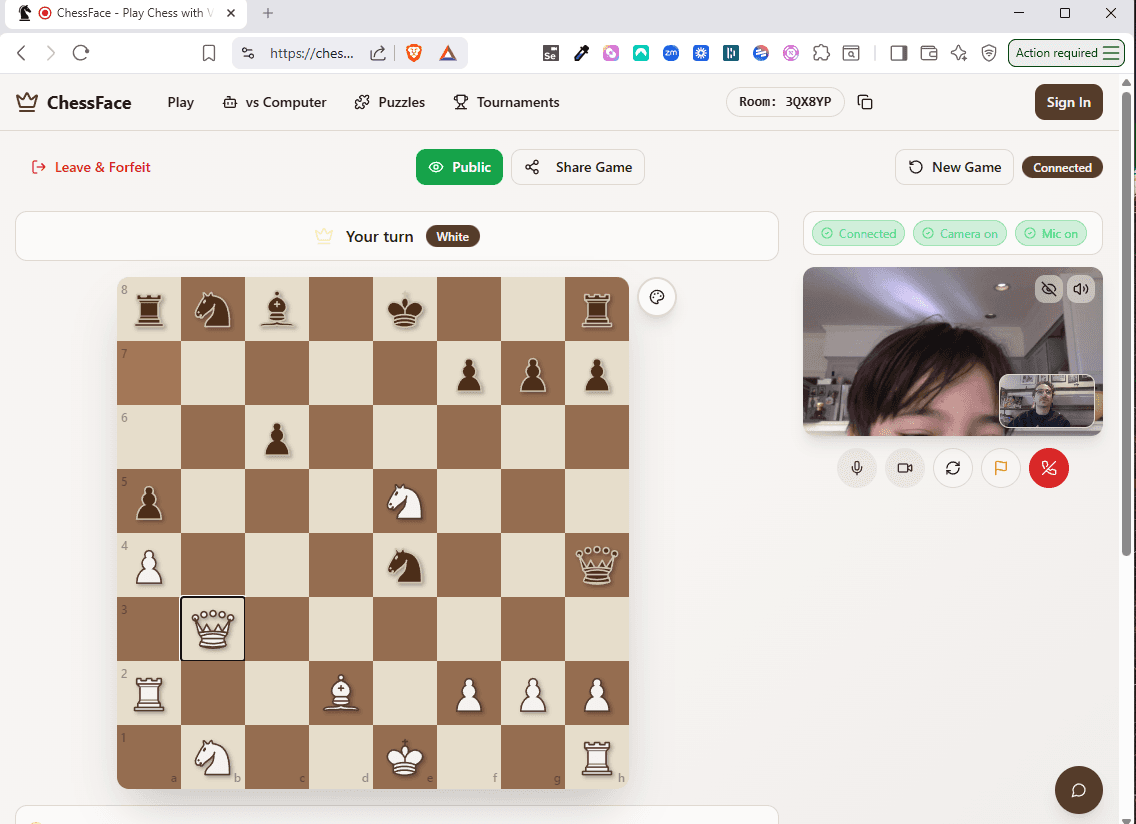
The discourse around AI development constantly evolves -- from prompting to "vibe coding" to agents and orchestration. Yet these conversations miss the deeper shift. Drawing on 15+ years building ML and data systems predating LLMs, current frameworks still emphasize control mechanisms rather than fundamental changes in how work gets done.
The Supply-Demand Inversion
The supply of software has outstripped demand. Full stop. Traditional competitive advantages -- application complexity, execution difficulty -- no longer provide defensibility. Remaining moats include proprietary data, domain expertise, regulatory barriers, and capital control, but applications themselves lack protection.
This represents both threat and opportunity. Organizations can no longer hide behind complexity or confuse effort expended with value delivered.
Building Without Specification
Rather than detailed upfront specifications, the process involved:
- Stating problems broadly ("Let's build a chess game with real-time video")
- Allowing autonomous exploration within boundaries
- Intervening late and minimally
- Focusing on felt failures rather than prescribing solutions
When technical issues emerged -- move synchronization breaking connections -- the intervention was directional: identifying the symptom rather than mandating fixes.
Reframed Leadership Skills
Steering is not driving. The shift requires abandoning habits developed for managing human teams:
- Replace detailed specification with directional guidance
- Protect value loops rather than implementation details
- Move fluidly between abstraction levels
- State feelings and impacts instead of tactical steps
This approach works because AI systems don't execute minimum viable work -- they produce a version, sometimes better than specified solutions.
What's Actually Scarce Now
Code abundance has inverted scarcity. The real constraints are:
- Judgment and taste
- Recognizing actual value
- Understanding what matters
- Maintaining tight feedback loops
The "value loop" -- notice, build, test, observe, refine -- compounds faster than architectural decisions ever did.
Practical Outcome
The result was Chessface.games, enabling asynchronous gameplay between family members without accounts or downloads. The platform demonstrates that with reduced friction, excuses for not building disappear.
Core Insight
After years of building this way... I think differently about control in software, in collaboration, maybe in general. Less grip. More attention. Intervene late. Intervene small.
The fundamental shift isn't about better tools -- it's about judgment operating at acceleration, replacing control as the primary value driver.
Get insights like this delivered
Join leaders navigating AI governance and agentic systems.