Context Engineering as a Strategic Imperative

By December 2024, AI adoption within enterprises had accelerated. Chief Technology Officers were no longer asking whether they should use large language models but rather how to integrate them safely and effectively. This post zooms in on a discipline that underpins robust AI systems: context engineering.
From Prompt to Context
"Prompt engineering" gained traction in 2023 as practitioners learned to phrase requests strategically for better outputs. However, when deploying multi-step agents requiring planning and reasoning, limitations emerged. Models would confuse instructions, misuse tools, and lose important details.
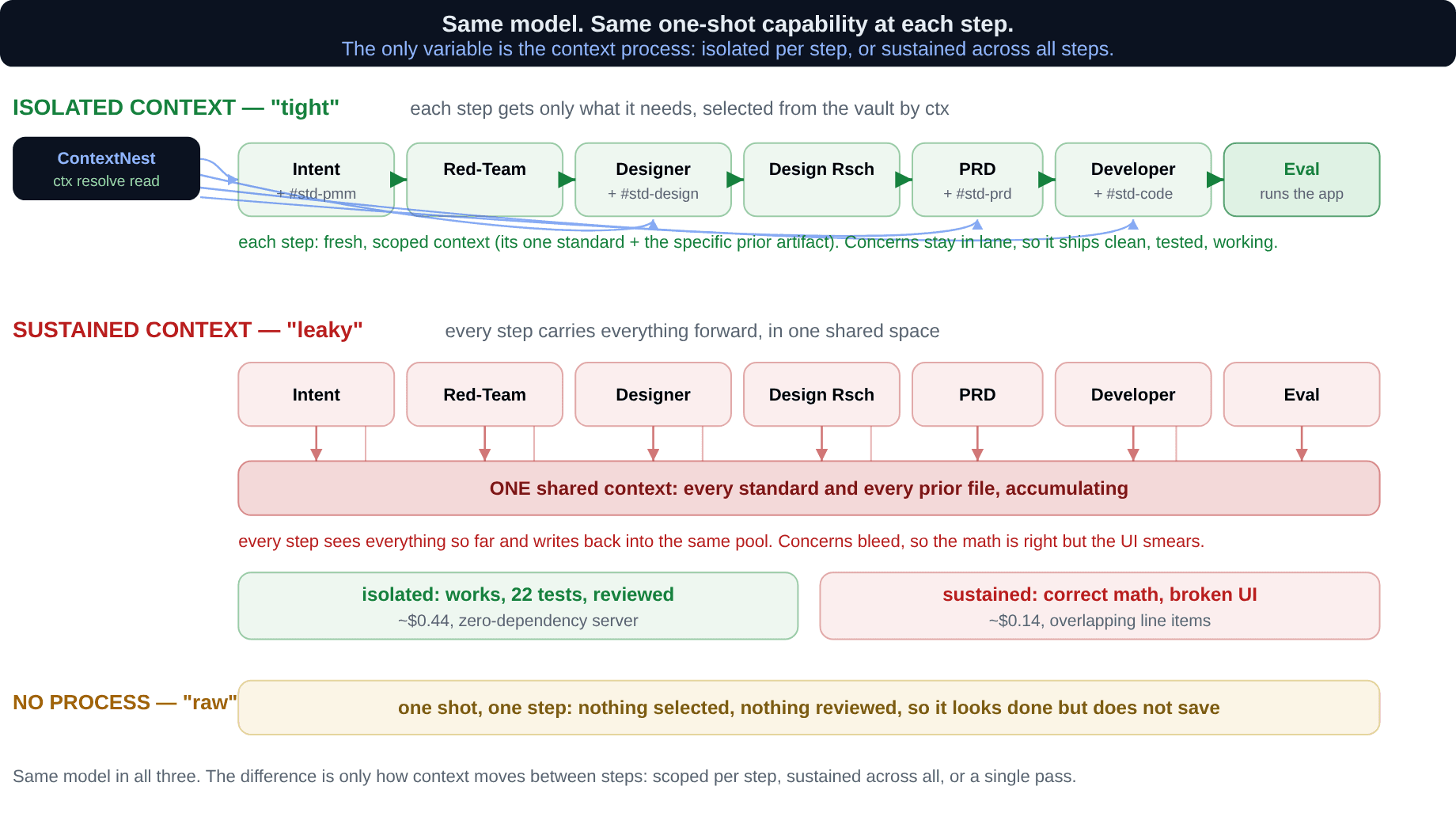
Context engineering addresses this by expanding beyond single prompts to encompass the entire information flow into models -- system definitions, user instructions, retrieved data, and memory.
The discipline identifies four core strategies:
- Writing -- Authoring clear system prompts, safety policies, and instructions
- Selecting -- Choosing relevant data and prior messages for current tasks
- Compressing -- Summarizing data to fit within context windows
- Isolating -- Separating information types to prevent contamination
Why Executives Should Care
Four strategic reasons demand attention:
- Compliance and governance -- Supports explainability requirements under emerging AI regulations
- Operational efficiency -- Well-structured context reduces errors and costs
- Scalability -- Ensures consistent performance across multiple agent deployments
- Competitive advantage -- Enables personalized interactions using institutional knowledge
Building Your Context Pipeline
A five-step approach provides a practical roadmap:
- Define explicit organizational policies -- Establish clear guidelines that govern how AI systems interact with users and data
- Integrate retrieval systems -- Connect knowledge bases to provide agents with relevant, up-to-date information
- Apply summarization and extraction techniques -- Condense large volumes of information while preserving essential details
- Segment context by type -- Separate system prompts, user instructions, memory, retrieved content, and tool output to prevent contamination
- Monitor performance and adjust iteratively -- Track how context quality impacts agent outputs and continuously refine
Context is currency in AI systems. Effective management directly correlates with agent value delivery. Organizations that invest in context engineering today will build more reliable, compliant, and competitive AI capabilities tomorrow.
Get insights like this delivered
Join leaders navigating AI governance and agentic systems.